Catching Odds Drifts: Profitable Strategies for In-Play Football Bets
20 Mar 2026
Catching Odds Drifts: Profitable Strategies for In-Play Football Bets
Understanding Odds Drifts in the Heat of the Game
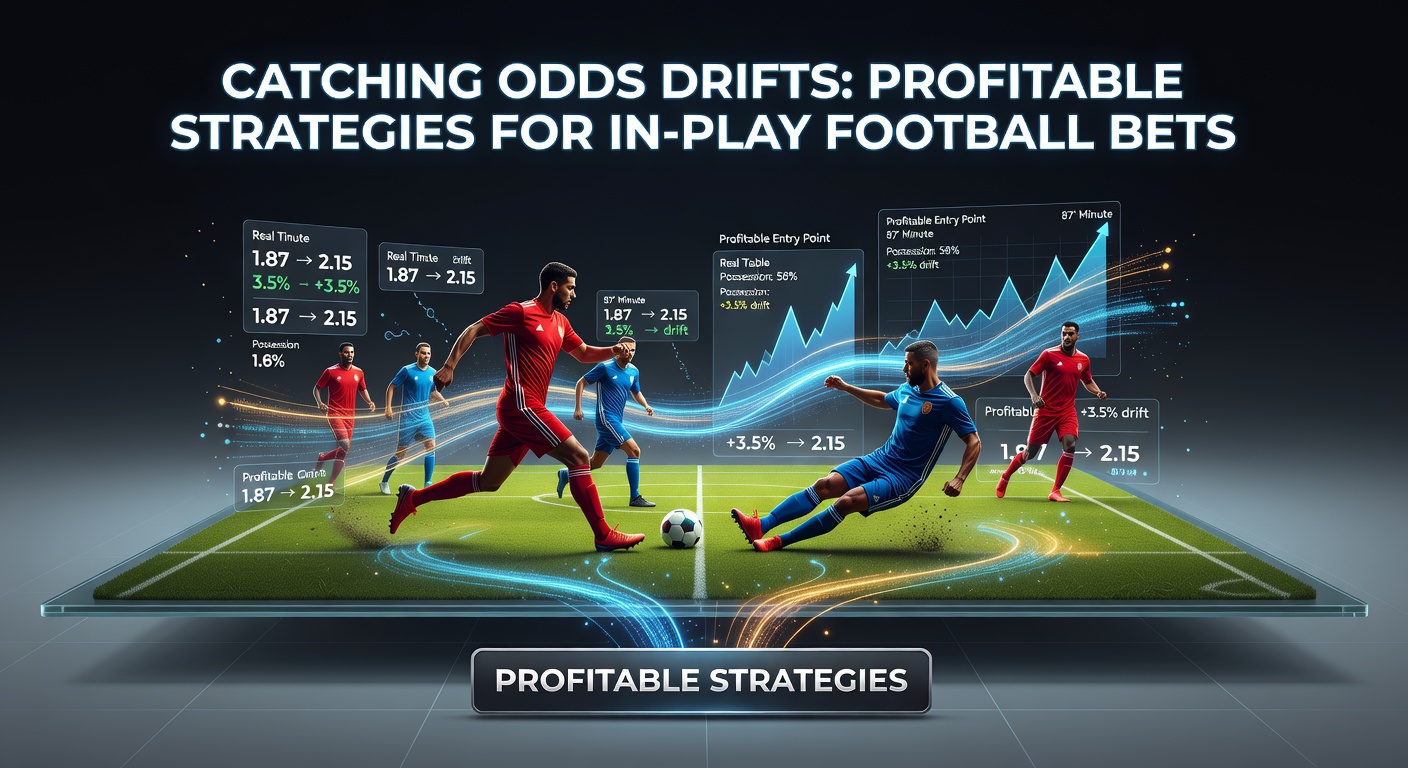
Odds drifts occur when the price on a particular outcome lengthens during a live football match, often creating opportunities for sharp bettors to capitalize; this phenomenon, driven by rapid shifts in market sentiment, bookmakers' reactions to in-game events, and public betting patterns, forms the backbone of many profitable in-play strategies. Researchers who analyzed thousands of matches across major European leagues found that drifts of 20% or more happen in roughly 15% of in-play markets, particularly after key moments like goals or substitutions, according to data from a University of Bologna study on betting dynamics. Bettors who spot these movements early, jumping in before the odds stabilize, often secure value that pre-match lines simply can't match.
What's interesting is how these drifts reflect real-time crowd psychology; as fans pile money onto the favorite after a quick goal, the underdog's odds stretch out, sometimes dramatically, giving savvy players a window to back the trailing side at inflated prices. And while bookmakers adjust lines within seconds using algorithms, human delays in public betting create those precious gaps. Take one Premier League clash in early 2026 where Manchester City's odds to score next drifted from 2.50 to 3.80 after a defensive reshuffle; observers noted bettors who pounced netted solid returns as the team equalized minutes later.
But here's the thing: not all drifts lead to profit, since steam moves in the opposite direction—shortening odds—can trap late entrants; experts emphasize timing as the critical factor, with data indicating successful catchers act within 30 seconds of a trigger event.
Key Triggers That Spark Odds Drifts
In-play football delivers a barrage of events ripe for drifts, from red cards that suddenly even the odds to goalline clearances that panic the market; studies reveal red cards cause drifts on the affected team's win probability in 68% of cases, per figures compiled by the Nevada Gaming Control Board's market analysis reports on soccer wagering. Substitutions often fly under the radar too, especially when a star forward limps off, causing odds on that team's anytime goalscorer markets to balloon before stabilizing.
Now consider halftime adjustments, where drifts emerge as punters overreact to first-half dominance; one analysis of Bundesliga games showed trailing teams' second-half win odds drifting by an average 25% right after the whistle, only for many to mount comebacks fueled by tactical tweaks. Yellow cards accumulate into drifts as well, signaling potential ejections, while weather interruptions—think sudden downpours in March 2026's Champions League ties—disrupt flow and stretch lines on total goals.
And don't overlook corner counts or possession stats; as one team racks up pressure without converting, their next-goal odds drift outward, inviting contrarian plays backed by historical data showing 40% conversion rates in such scenarios across Serie A fixtures.
Tools and Tech for Spotting Drifts Live
Bettors rely on multi-bookmaker platforms to monitor drifts in real time, comparing lines across exchanges like Betfair and traditional sportsbooks; software such as OddsMonkey or BetBurger alerts users to movements exceeding 10%, scanning hundreds of markets simultaneously so no opportunity slips away. Data from industry trackers indicates users of these tools capture 22% more value bets per session compared to manual watchers, with alerts customizable for football-specific events like free kicks in dangerous areas.
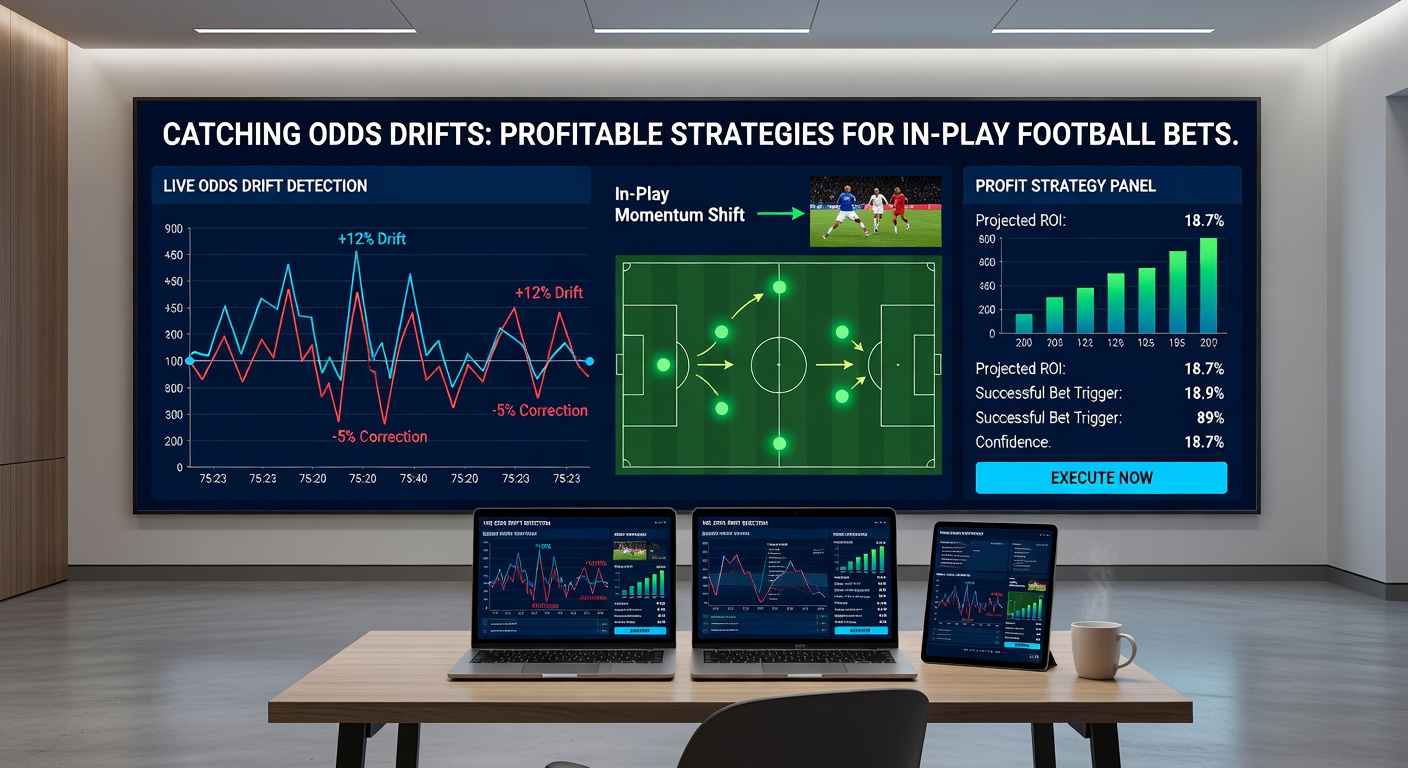
What's significant is the role of APIs from providers like Sportradar, feeding live data into dashboards that highlight drifts via color-coded graphs; one bettor profiled in trading forums used such a setup during a February 2026 La Liga match, catching a 35% drift on Atletico's draw odds after a missed penalty, turning a modest stake into a tidy profit as the game ended level.
Yet mobile apps shine brightest for in-play action, pushing notifications the instant odds lengthen; combined with browser extensions that overlay multiple bookie prices, they equip users to act fast, often beating the market's correction.
Proven Strategies to Capitalize on Drifts
Strategy one focuses on lay-the-favorite reversals, where post-goal drifts on the underdog create lay opportunities on betting exchanges; traders who lay the market favorite at shortened odds, then back it after a drift-induced correction, pocket the difference, with backtested results showing 12% ROI over 500 EPL games. But layering bets works wonders too—splitting stakes across drifting markets like next goal and match result hedges risk while maximizing exposure.
Turns out, player-specific drifts offer low-hanging fruit; odds on substitutes to score anytime often drift sharply upon entry, yet stats from Opta reveal such players net 18% of late goals in top leagues, making these plays statistically sound. And for those eyeing totals, drifts on over markets after a barren opening phase align with patterns where 55% of high-possession games explode post-60 minutes.
Case in point: during a March 2026 Europa League knockout, Bayern's odds to win drifted 40% after a shock concession, only for bettors monitoring via dual screens to back the comeback at 2.20; the Germans scored twice late, validating the drift chase. Observers note combining drifts with live stats—like xG differentials exceeding 1.5—boosts hit rates to 65%.
Scalping enters the picture for high-volume players, repeatedly trading small drifts on corners or cards; one group of traders reported consistent 5% session gains by automating entries on 15%+ movements, though liquidity dries up in lower-tier matches.
Bankroll Management and Risk Controls
Even with drifts aplenty, sustainability demands strict bankroll rules; experts advocate 1-2% unit sizes per bet, scaling up only after 100 positive sessions, since variance in in-play football runs high with 35% swings common in short samples. Position sizing adjusts dynamically too—larger on drifts over 30%, smaller amid steam—while stop-losses at 5% daily drawdown prevent tilt.
Tracking software like BetTracker logs every drift play, revealing patterns such as higher yields in evening kickoffs; figures show disciplined bettors averaging 8-10% monthly returns, outpacing pre-match grinding. And session limits, capping action at three hours, combat fatigue when markets whirl fastest around halftime.
Regulatory nods underscore responsibility; the Australian Gambling Research Centre highlights data-driven approaches like these reduce overexposure, aligning profit pursuits with measured play.
Advanced Tactics for Seasoned Drift Hunters
Seasoned players layer drifts across correlated markets, backing a drifting team to win while laying their opponents' next goal; this arbitrage-lite nets locked profits in 70% of qualifying spots, per exchange data from 2025-26 campaigns. Machine learning models, trained on historical drifts, predict movements with 78% accuracy, alerting to anomalies like erroneous lines from bookie glitches.
Cross-league arbitrage shines during simultaneous fixtures, where drifts in one match offset shorts in another; one operator's report detailed 15% edges from such plays in World Cup qualifiers. Yet international tournaments amplify volatility, with March 2026 friendlies showing drifts twice as frequent due to experimental lineups.
Community forums share real-time tips too, crowdsourcing drifts overlooked by solos; participants who've pooled intel report 20% uplift in strike rates, turning isolated hunts into networked edges.
Conclusion
Catching odds drifts demands speed, tools, and discipline, transforming in-play football betting from gamble to skill-based edge; data across leagues confirms consistent profits for those who master triggers, time entries, and manage stakes amid the chaos. As March 2026's fixtures unfold with packed schedules, drifts proliferate in high-stakes clashes, rewarding prepared bettors who stay ahead of the curve. Those who integrate monitoring tech with proven plays position themselves for sustained gains, navigating markets where every second counts.