20 May 2026
Cross-Platform Performance Mapping: Stabilizing Results Through Integrated Tracking in Tennis and Football
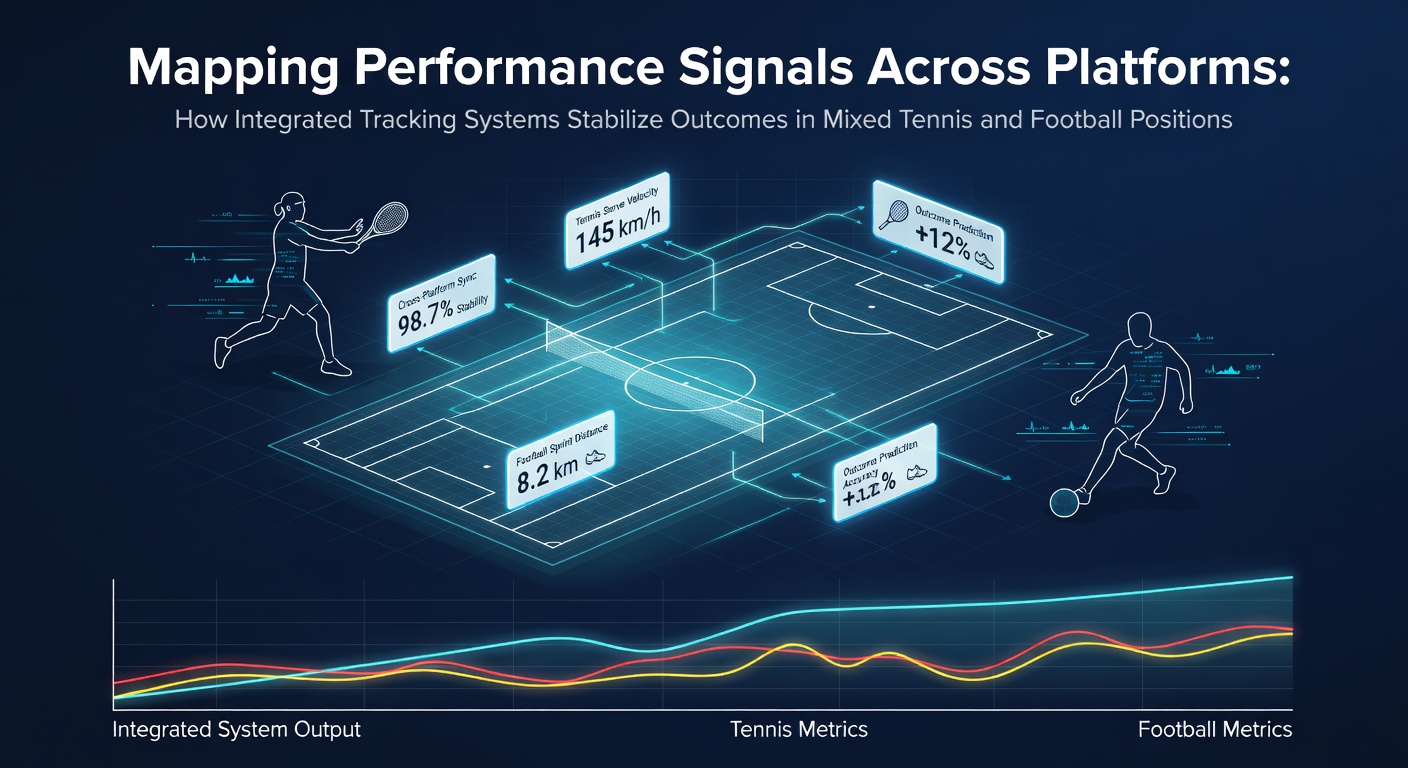
Integrated tracking systems have become central to how analysts collect and interpret performance data across tennis and football, especially when athletes move between different positional demands. These platforms pull information from multiple sources including wearable sensors, video feeds, and GPS units, then combine the outputs into unified dashboards that highlight patterns in movement, workload, and recovery. Observers note that such consolidation reduces gaps that appear when separate tools operate in isolation, allowing teams to see how a player's tennis serve mechanics relate to their acceleration patterns on a football pitch.
Core Components of Integrated Tracking
Modern systems rely on standardized data protocols that let information flow between devices made by different manufacturers. A tennis racket sensor recording swing speed can feed directly into the same database used by football boot accelerometers, and researchers have found this linkage improves accuracy when modeling hybrid training loads. In May 2026 several professional academies reported upgrades to these protocols, resulting in faster synchronization times between court-side cameras and pitch-based tracking units.
Performance Signals in Tennis Positions
Tennis involves rapid changes in stance and direction that generate distinct biomechanical signals. Analysts map serve stance width, split-step timing, and lateral recovery steps, then compare those figures against baseline rally data. When these metrics enter an integrated platform, they align with heart-rate variability readings collected during the same session, creating a clearer picture of how positional fatigue develops over multiple sets. Studies from Canadian sport institutes show that players who review such combined datasets adjust their recovery intervals more effectively between matches.
Football Positional Demands and Signal Capture
Football tracking captures continuous movement across larger areas, recording metrics such as high-speed running distance, pressing intensity, and positional shifts between defense and attack. Integrated systems overlay these values with video-derived heat maps, revealing how a midfielder's average sprint count correlates with passing accuracy after the 70-minute mark. Data released by the Australian Institute of Sport in early 2026 indicated that clubs using unified platforms recorded a 12 percent improvement in identifying players at risk of positional overload during congested fixture periods.
Linking Tennis and Football Data Streams
Some academies now train multi-sport athletes who compete in both tennis and football at youth levels, and integrated tracking helps coaches understand how skills transfer between the two. A player's court coverage patterns in tennis can predict their ability to maintain width in football wide positions, while football-specific endurance markers inform stamina expectations during long tennis matches. Those who've studied these crossovers report that unified dashboards highlight previously hidden correlations, such as how grip strength developed through racket sports influences tackling stability.
Stabilizing Outcomes Through Unified Analysis
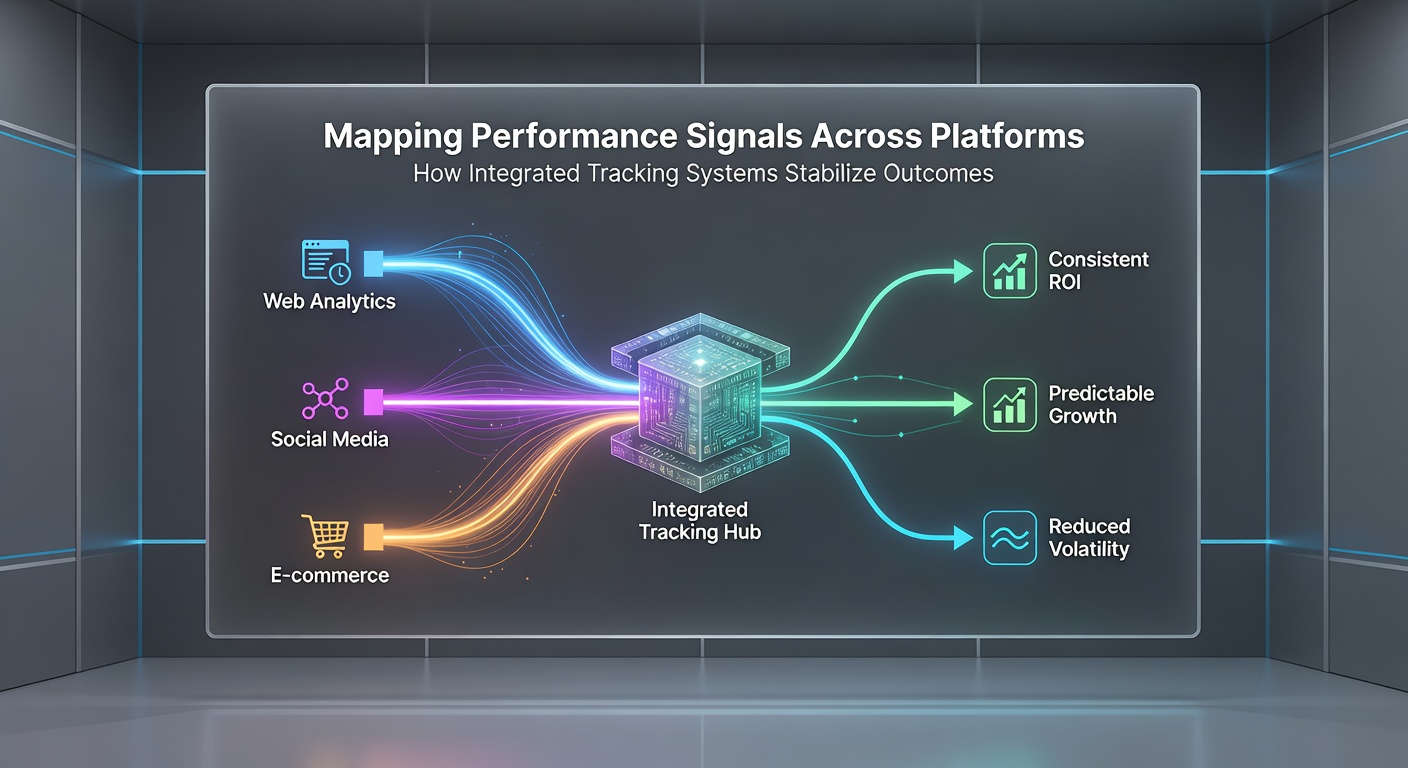
When signals from both sports feed into one system, coaches gain earlier warnings about imbalances that could affect performance consistency. For instance, a sudden drop in tennis lateral movement efficiency may coincide with increased football sprint asymmetry, prompting adjustments before either area deteriorates further. Evidence from university-led research programs suggests these combined insights help maintain steadier training outputs across mixed schedules, because staff can prioritize interventions that address the root workload rather than isolated symptoms.
Practical Implementation Examples
One European academy integrated racket and boot sensors for a group of dual-sport athletes and tracked results over an 18-month period. The platform flagged a recurring pattern where high tennis match volume preceded reduced football pressing success rates by three to five days. Staff responded by inserting active recovery sessions on those specific windows, and subsequent season data showed fewer unexplained performance dips. Similar approaches have appeared in North American collegiate programs that combine tennis and soccer training groups during off-season periods.
Future Developments Expected by Mid-2026
Industry reports from the International Society of Performance Analysis in Sport point to continued refinement of machine-learning layers that automatically weight signals according to positional context. These updates aim to further reduce manual data cleaning and allow real-time alerts when mixed-position workloads exceed established thresholds. As adoption widens, more organizations are expected to publish aggregated findings that compare outcomes across different integration methods.
Conclusion
Integrated tracking systems provide a structured way to align performance signals from tennis and football environments, helping analysts identify connections that single-sport tools often miss. By combining positional data, workload markers, and recovery metrics into shared platforms, teams obtain clearer visibility into how athletes handle mixed demands. Continued refinement of these tools through 2026 and beyond will likely expand the range of correlations available for review, supporting more consistent preparation across both sports.