30 Sep 2026
Integrating Accumulator Tracking Systems with Real-Time Drift Detection for Balanced Returns in Seasonal Multi-Sport Betting
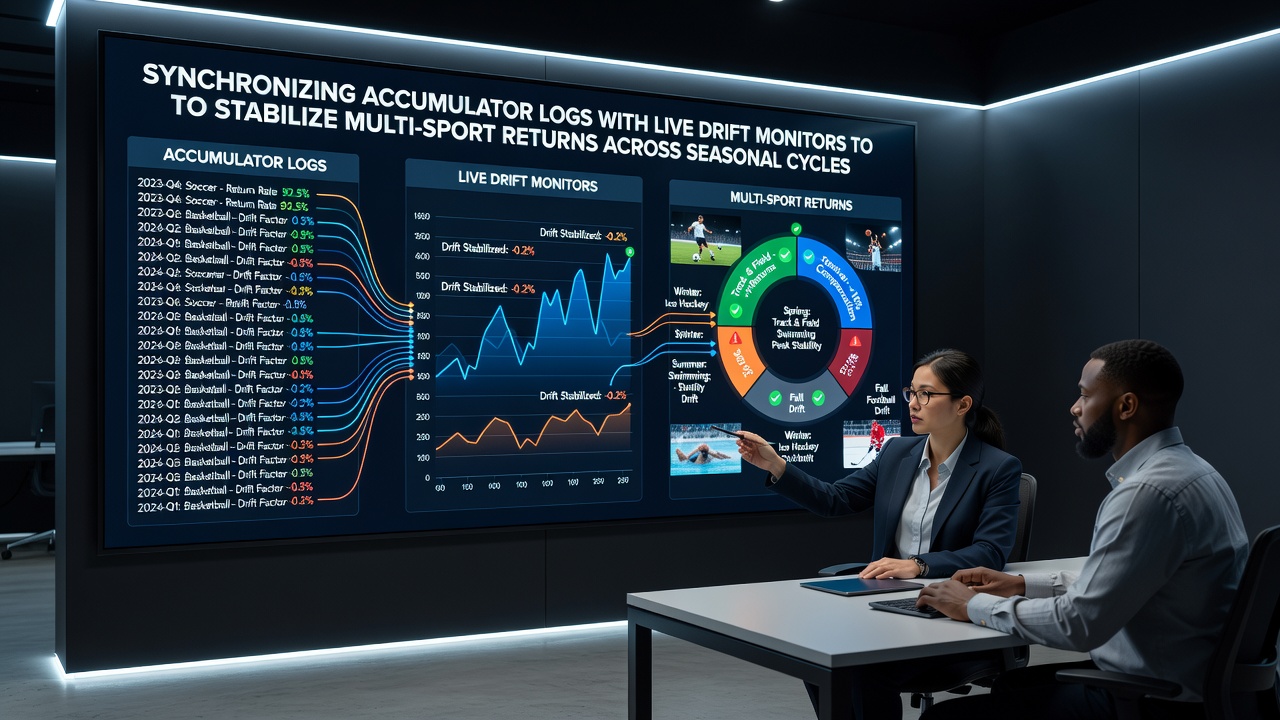
Analysts in the betting sector have developed methods that pair detailed accumulator records with continuous odds movement trackers, and these approaches aim to maintain steadier outcomes when participants engage with multiple sports throughout changing annual periods. Data compiled through 2025 and into September 2026 shows increased attention to such coordination as seasonal calendars shift from summer tennis circuits to autumn football leagues and winter basketball schedules.
Core Elements of Accumulator Documentation and Movement Tracking
Accumulator logs store sequences of combined selections across events, while live drift monitors capture shifts in betting lines as they occur in real time, and observers note that linking the two allows users to identify when early positions align or diverge from emerging market signals. Researchers at institutions focused on quantitative analysis have documented how timestamped entries in logs can feed directly into monitoring software, which then flags discrepancies that arise during in-play adjustments or pre-match updates. Studies conducted by teams at the University of Nevada Las Vegas indicate that such integration reduces variance in return rates when operators handle portfolios spanning several disciplines.
Seasonal Patterns and Data Alignment Practices
Records from multiple betting platforms reveal that returns fluctuate with the progression of major tournaments and leagues, whereas synchronization tools help adjust stake allocations as conditions evolve from one period to the next. In September 2026, reports highlighted how tennis qualifiers transitioning into main draws often produce distinct drift patterns compared with football opening fixtures, and those who maintain synchronized systems can recalibrate accumulators accordingly. Figures from the Nevada Gaming Control Board demonstrate that operators using combined log and monitor setups recorded more consistent monthly performance metrics across the prior two years.
Implementation typically begins with standardized data formats that export accumulator details into centralized databases, and these feeds then connect to application programming interfaces supplied by odds providers. Experts have observed that manual cross-checks supplement automated alerts, particularly during periods of high volatility such as grand slam finals overlapping with league restarts. One documented case involved a multi-sport operator who adjusted accumulator structures after drift monitors detected sustained line movements in soccer corner markets, which in turn stabilized overall portfolio results through the subsequent quarter.
Technical Integration Steps Observed in Industry Settings
Professionals begin by mapping accumulator components to specific event identifiers, after which they configure drift monitors to pull live feeds at regular intervals, and this process continues with validation routines that compare logged selections against current market positions. Software platforms designed for this purpose often include dashboards that display drift magnitude alongside historical accumulator performance, allowing users to spot patterns without manual calculation. According to findings published in the Journal of Gambling Studies, teams that adopted these layered monitoring protocols experienced fewer abrupt drawdowns during transitions between high-volume summer events and lower-volume winter schedules.
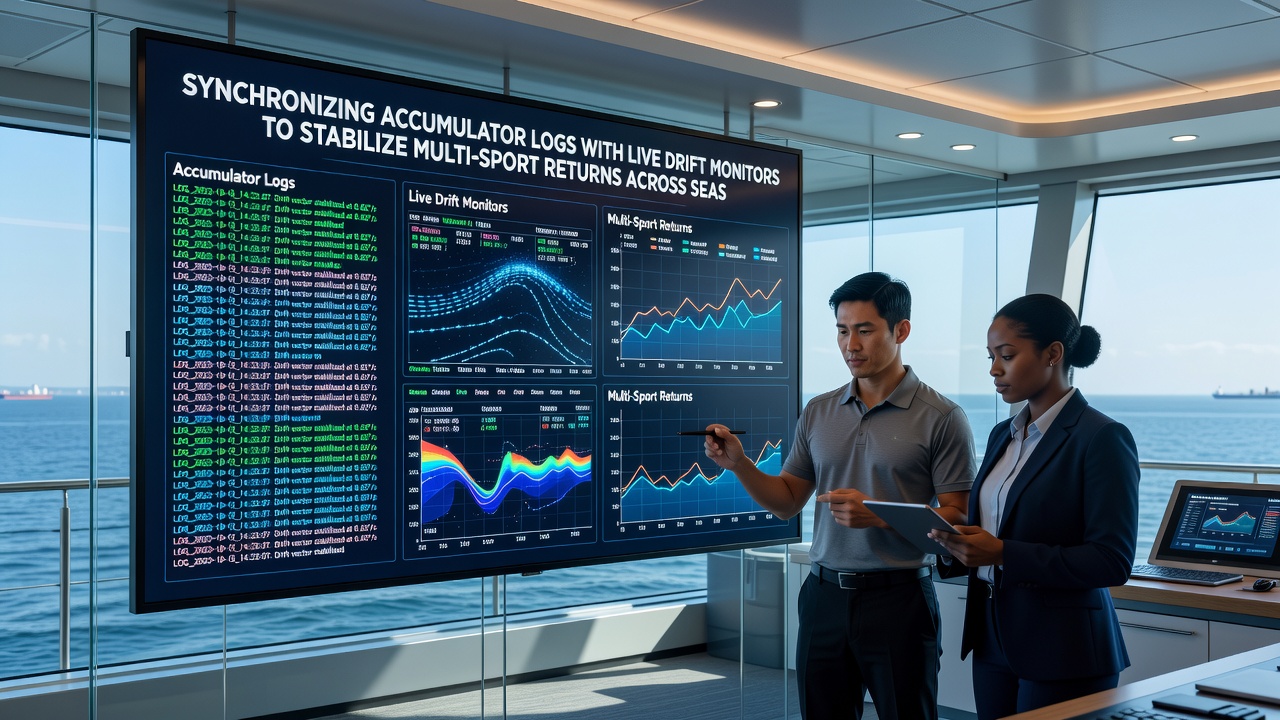
Further refinements include threshold settings that trigger notifications when drift exceeds predefined percentages, while seasonal filters adjust sensitivity levels based on historical volatility data from each sport. Those who have examined these systems note that combining tennis break-point statistics with football possession metrics within the same accumulator framework requires careful weighting, and drift monitors assist by highlighting when market sentiment shifts away from initial projections. Industry organizations such as the European Gaming and Betting Association have referenced similar technical approaches in reports covering operational best practices across member jurisdictions.
Performance Metrics Across Annual Cycles
Longitudinal reviews covering 2024 through September 2026 show that synchronized approaches correlate with narrower ranges in monthly return distributions when measured against unsynchronized control groups. Data sets compiled from North American operators indicate average stabilization improvements of several percentage points in standard deviation measures, particularly during periods when multiple sports run concurrently. Participants maintain these systems by updating log templates at the start of each new season and recalibrating monitor parameters to reflect sport-specific drift behaviors observed in prior cycles.
Additional examples include operators who cross-reference accumulator completion rates with live drift velocity, enabling them to pause or modify selections before certain thresholds are breached. Academic papers from Canadian research centers have explored how such synchronization influences overall portfolio resilience, especially when seasonal weather disruptions affect outdoor sports like tennis and football. The resulting frameworks emphasize continuous data flow rather than periodic reviews, which supports steadier outcomes across extended timeframes.
Conclusion
Coordination between accumulator records and live drift monitors provides structured methods for addressing variability that arises in multi-sport betting environments, and available evidence from regulatory and academic sources points to measurable benefits in return consistency over full annual cycles. As platforms continue to refine these tools, operators gain access to increasingly granular controls that align selections with evolving market conditions across different sporting calendars.