18 May 2026
Integrating Scanner Outputs and Ledger Reviews for More Stable Multi-Leg Football Betting Sequences
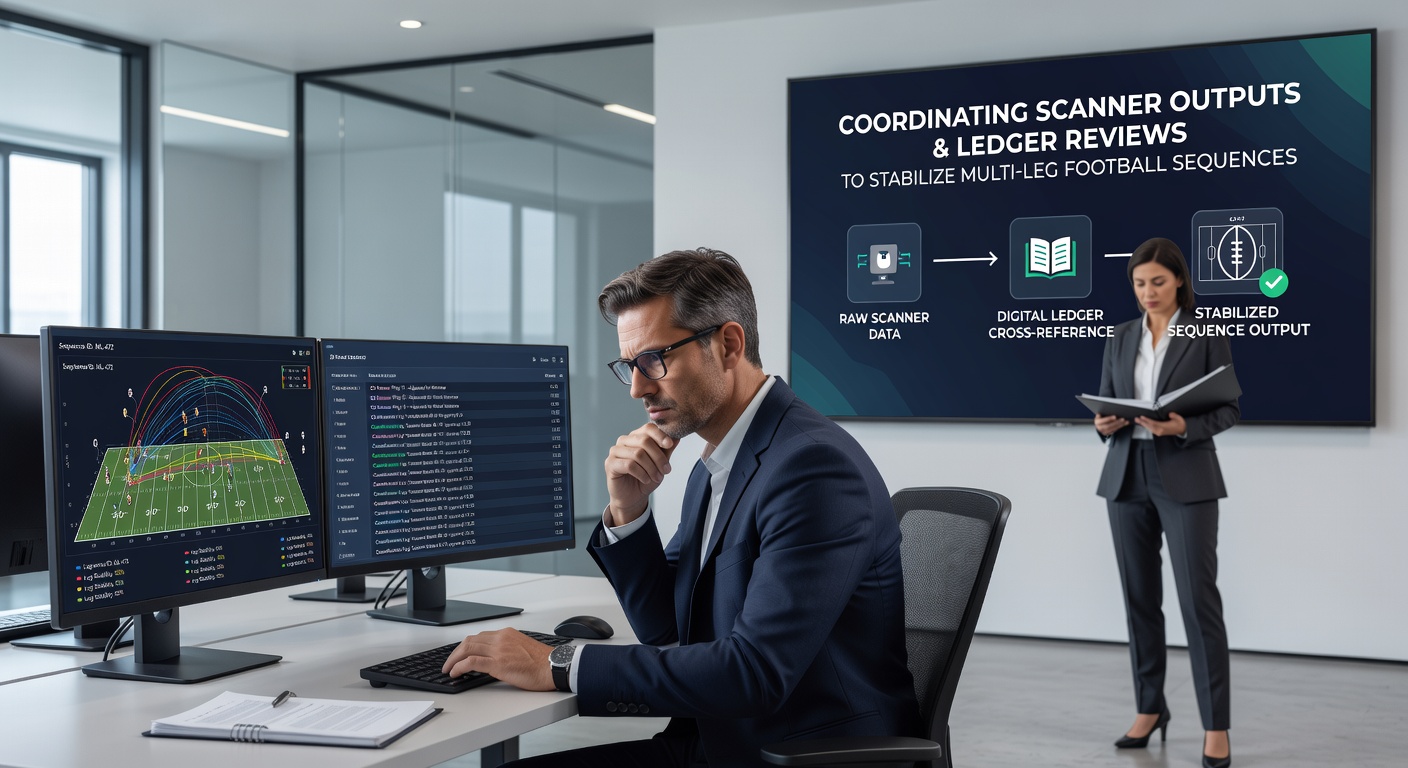
Coordinating scanner outputs with ledger reviews creates a structured approach to handling multi-leg football sequences where data from automated tools aligns directly with detailed financial tracking. Observers note that this integration reduces discrepancies between projected odds movements and actual bankroll adjustments, especially during extended sequences that span several matches across different leagues. Researchers have documented how teams in professional betting environments apply this method to maintain consistency when individual legs shift rapidly due to late team news or weather impacts.
Scanners typically pull live odds from multiple bookmakers while cross-referencing historical performance metrics for each team involved. When these outputs feed straight into a ledger system, users gain immediate visibility into how a single leg alteration affects the entire sequence's projected return. Data from industry reports shows that such real-time linkage helps identify when a sequence's implied probability no longer matches the updated stake requirements, prompting adjustments before further legs lock in.
Core Components of Scanner and Ledger Alignment
Scanner tools focus on flagging value opportunities across accumulator structures, while ledger reviews track cumulative profit, loss, and exposure across all active sequences. Experts have observed that combining these elements allows for sequential verification at each stage of a multi-leg build. For instance, after the first two legs settle, the ledger recalculates remaining risk based on scanner-updated odds for the final legs, creating a feedback loop that supports ongoing stability.
Those who have studied betting workflows point out that manual reconciliation often lags behind market changes, whereas automated coordination keeps records current. In May 2026, several platforms introduced API connections that push scanner results directly into ledger software, cutting down on entry errors that previously disrupted sequence tracking. This development aligns with broader trends in data-driven sports analytics where precision in record-keeping supports longer-term sequence management.
Practical Steps for Effective Coordination
Begin by configuring the scanner to export key fields such as implied probabilities, stake suggestions, and odds drift alerts into a compatible ledger format. Once imported, review the ledger for any sequences showing variance between initial projections and updated market conditions. Analysts recommend running a reconciliation check after every leg completion to confirm that cumulative returns remain within predefined tolerance levels.
Take one case where a multi-leg sequence covering Premier League and La Liga matches encountered sudden odds shifts on the third leg. Scanner output highlighted the drift within minutes, and the linked ledger immediately recalculated exposure, allowing the sequence to proceed with an adjusted stake that preserved overall balance. Studies from research institutions indicate that sequences managed this way experience fewer complete breakdowns compared to those tracked separately.
Benefits Observed in Multi-Leg Football Contexts
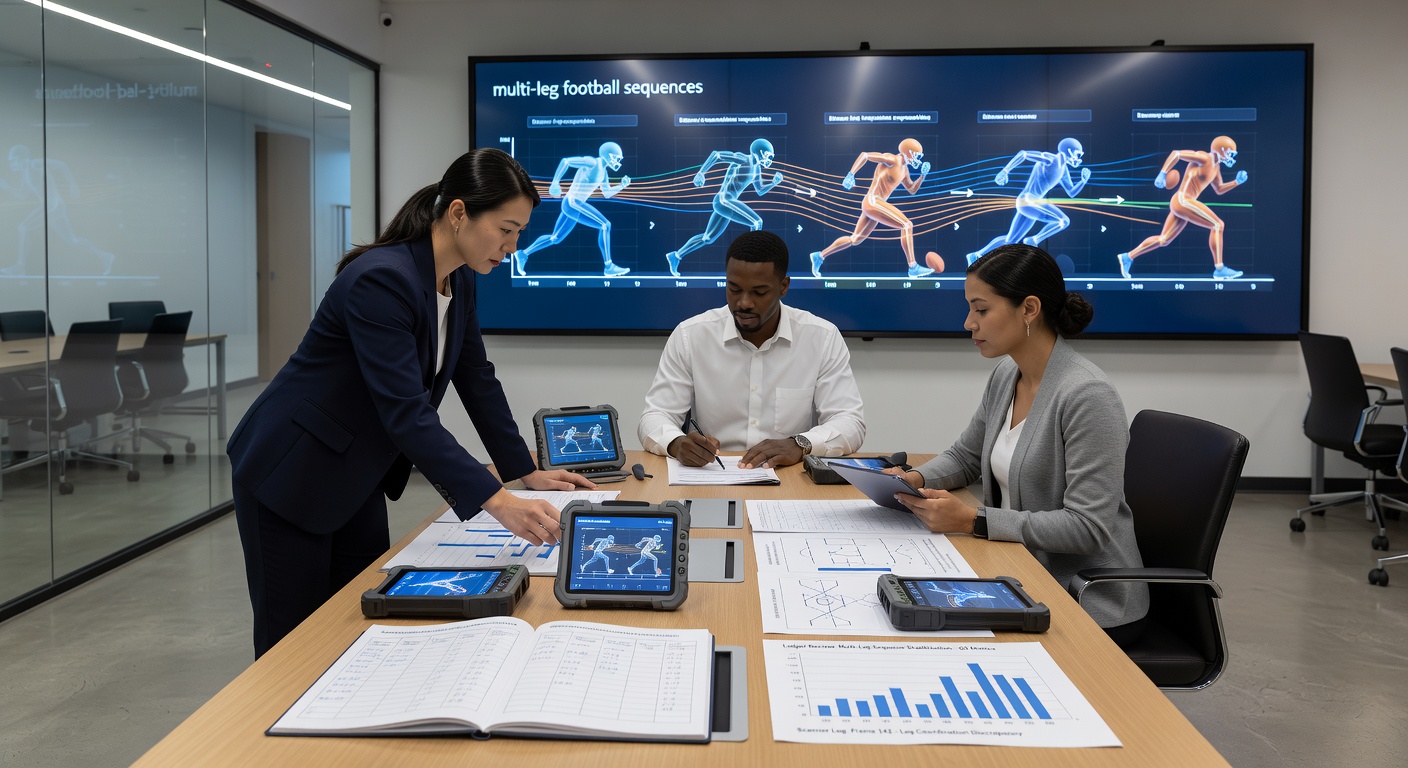
Football sequences often involve legs from varied competitions where external factors like fixture congestion or player suspensions create volatility. When scanner outputs and ledger reviews operate in tandem, participants maintain clearer oversight of how each adjustment influences the remaining sequence. Evidence suggests this method supports steadier progression through five-leg or seven-leg structures that might otherwise fragment under isolated monitoring.
Industry organizations tracking betting technology note increased adoption of integrated systems among operators handling large volumes of accumulator bets. The linkage also assists in generating post-sequence reports that detail both market performance and financial outcomes, providing a comprehensive record for review. What's interesting here is how the combination turns raw scanner alerts into actionable ledger entries that reflect true sequence health rather than isolated leg results.
Challenges and Solutions in Implementation
Data latency between scanner feeds and ledger updates can create temporary mismatches during high-volume match days. Solutions include setting automated sync intervals that refresh every few minutes and incorporating manual override options for urgent corrections. According to findings from the International Gaming Institute at the University of Nevada, structured training on these tools reduces implementation errors significantly across different user groups.
Another consideration involves ensuring scanner sources cover enough bookmakers to provide representative odds for the ledger calculations. When coverage gaps appear, users often supplement with secondary verification steps before finalizing any sequence adjustments. This layered approach keeps the coordination process robust even when primary data streams encounter brief interruptions.
Future Developments Expected by Mid-2026
By May 2026, further advancements in machine learning integration are anticipated to enhance how scanners predict ledger impacts before legs commence. Research indicates that predictive models will soon simulate entire sequence outcomes based on historical ledger patterns, offering preemptive guidance on stake distribution. Regulatory bodies in regions such as Australia and parts of the European Union have begun examining these technologies for compliance standards that emphasize transparent record-keeping.
Continued refinement of these coordination methods should support more reliable management of multi-leg football sequences as data volumes grow. Observers expect expanded use of cloud-based platforms that allow simultaneous access for multiple reviewers, improving oversight without sacrificing speed.
Conclusion
Coordinating scanner outputs with ledger reviews establishes a reliable framework for stabilizing multi-leg football sequences through continuous data alignment and verification. The approach draws on established practices in sports analytics while adapting to the specific demands of football betting structures. As tools evolve, the emphasis remains on precise integration that keeps both market signals and financial records synchronized throughout each sequence.