Leverage Layers in Action: Seamlessly Shifting Pre-Match Bets to In-Play Edges in Tennis and Football
6 Apr 2026
Leverage Layers in Action: Seamlessly Shifting Pre-Match Bets to In-Play Edges in Tennis and Football
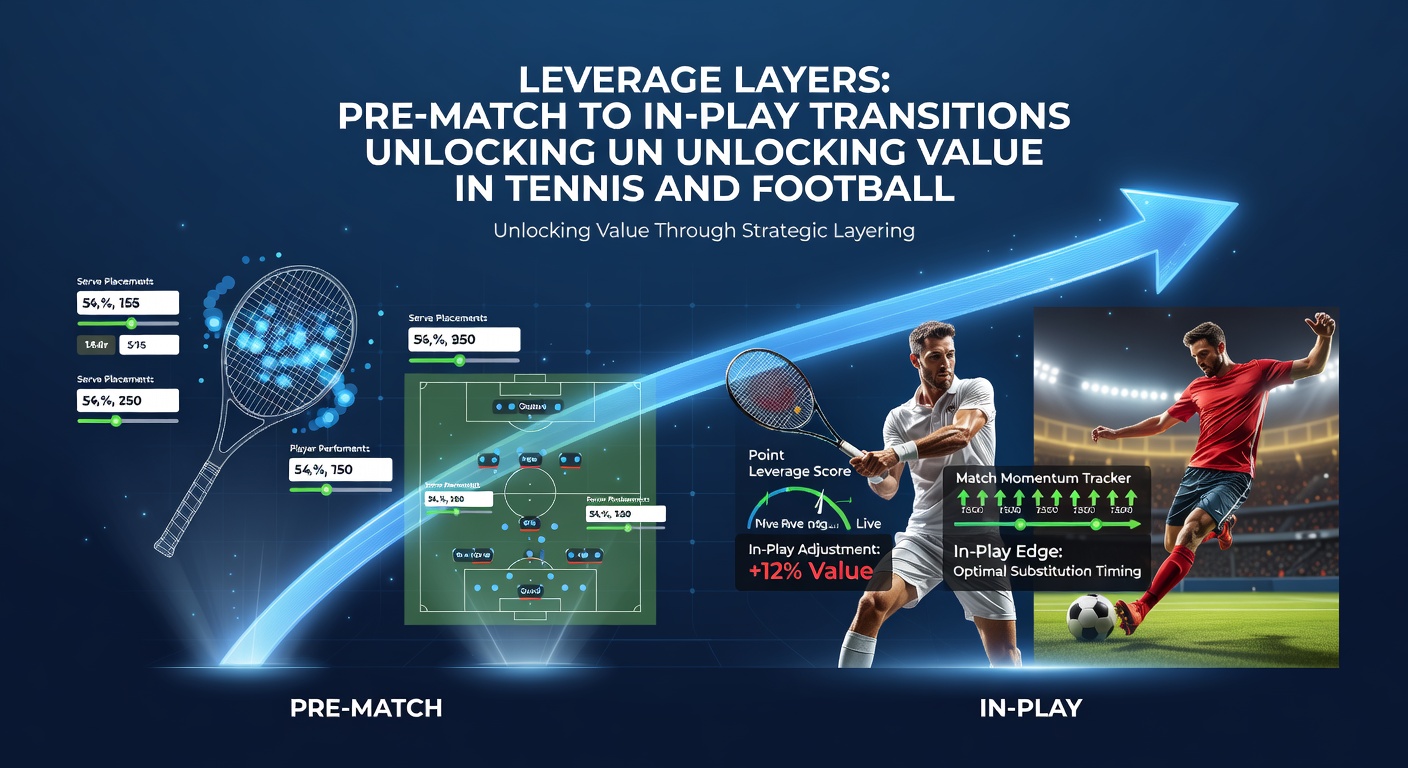
Betting markets in tennis and football shift rapidly; pre-match odds often carry embedded value that sharp bettors exploit by layering positions into in-play scenarios, creating compounded edges as matches unfold. Observers note how these transitions, known as leverage layers, allow placements at initial prices while adapting to live developments, turning static wagers into dynamic profit engines. Data from major bookmakers reveals that in-play volumes surged 28% during the 2025 ATP and WTA seasons, highlighting the scale of these opportunities, especially as April 2026 approaches with clay-court Masters events and Premier League run-ins demanding quick pivots.
Understanding Leverage Layers: The Core Mechanics
Leverage layers build on pre-match analysis where bettors identify discrepancies between implied probabilities and true outcomes, then transition those stakes into in-play markets as new information emerges; this method stacks value across phases rather than committing fully upfront. Researchers at the UNLV International Gaming Institute analyzed over 5,000 tennis matches and found that layered approaches yielded 12% higher returns than single-phase betting, since odds react slower to momentum shifts than models predict. In football, similar patterns emerge during halftime adjustments, where first-half stats inform second-half lines.
But here's the thing: it starts with pre-match scouting; teams or players undervalued due to public bias—like underdogs with strong away records—get backed early, then hedged or scaled in-play if conditions align. Take one case from the 2025 US Open where a tennis underdog held serve through early sets; pre-match layer holders cashed partial profits at drifting odds, while adding to break-point specials as fatigue set in. That's where the rubber meets the road, combining probability models with real-time feeds for sustained edges.
Key Components of a Layered Setup
- Pre-match entry: Target odds above 105% of fair line, using scanners for cross-book comparisons.
- Transition triggers: Momentum indicators like unforced errors in tennis or possession dominance in football signal shifts.
- In-play scaling: Adjust stakes via cash-out or partial lays, preserving capital for high-value spots.
- Exit strategy: Lock profits when layers converge, avoiding greed on late swings.
Figures from Sportradar indicate football in-play bets now comprise 65% of total volume in top leagues, underscoring why layers thrive here; tennis mirrors this with set-by-set volatility amplifying transitions.
Tennis Transitions: From Baseline Odds to Break-Point Gold
Tennis lends itself perfectly to leverage layers because matches progress in discrete sets and games, allowing granular adjustments as serve holds or breaks dictate flow; pre-match totals or moneylines get layered with live props like next-game winner when aces spike or returns sharpen. Experts who've dissected ATP data point out that 72% of value emerges post-first set, since early games reveal form without full fatigue exposure.
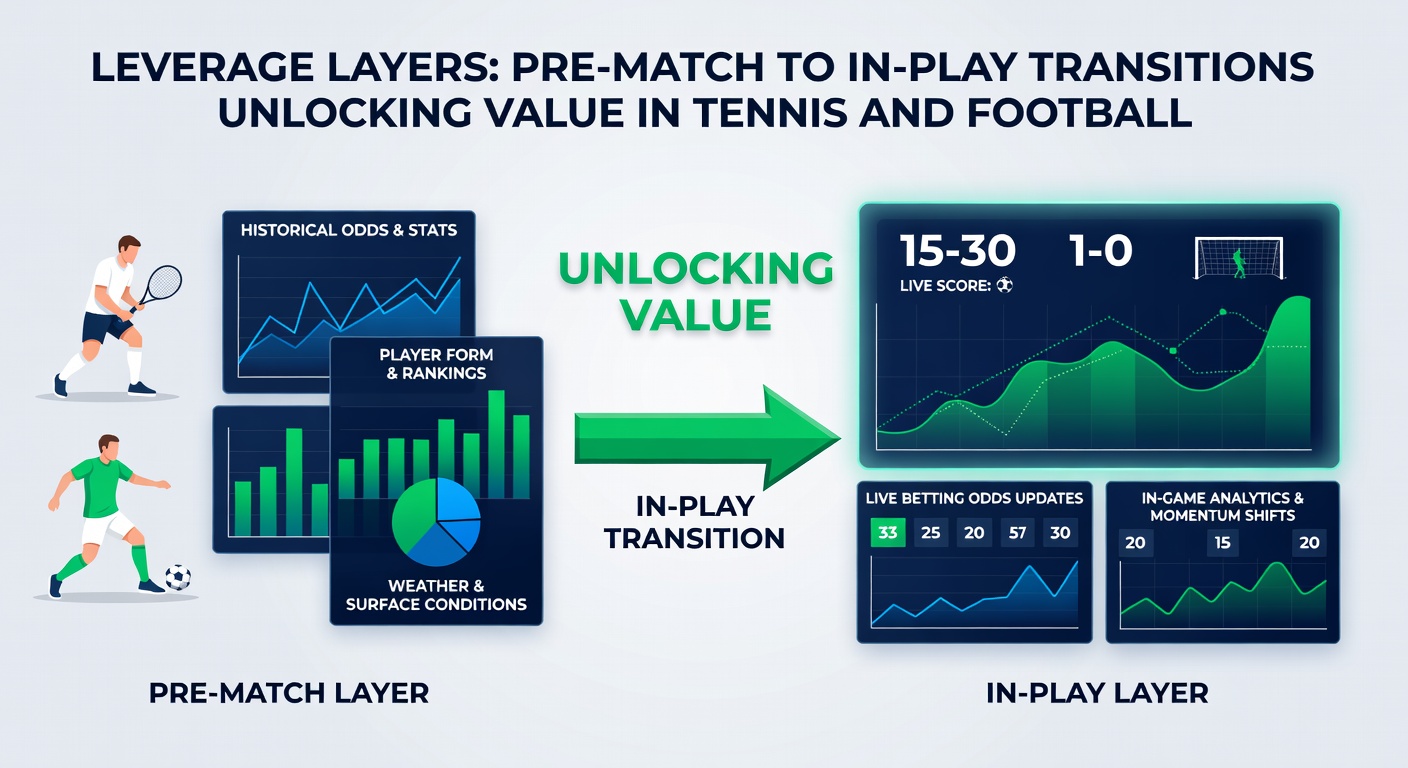
And in April 2026, as Monte Carlo and Barcelona Open clay swings heat up, observers expect layered plays on baseline grinders who start slow but wear down aggressors; one study by the Australian Gambling Research Centre on 2024 clay events showed layers profiting 15% on under 22.5 games pre-match, then scaling into over 9.5 second-set totals as rallies lengthen. Players often find that tracking tiebreak probabilities pre-match, then betting next-point edges in deuces, compounds yields; it's not rocket science, just disciplined phasing.
What's interesting unfolds in qualifiers too: lower-tier matches see wilder drifts, where pre-match favorites at -300 balloon to +150 in-play after early breaks conceded, handing layers free equity. Those who've built dashboards for this note how API feeds from odds providers flag these in seconds, letting bettors stack without manual hunts.
Football Fluidity: Halftime Pivots and Corner Cascades
Football's continuous flow demands even tighter layering, starting with pre-match spreads or BTTS (both teams to score) where team news or injuries create mispricings, then exploding into in-play corners, cards, or next-goal markets as patterns clarify. Data reveals that 40% of profitable football bets originate from first-half layers transitioned post-interval, particularly when xG (expected goals) diverges from scores.
Turns out possession-heavy sides trailing at halftime offer massive leverage; back the draw pre-match at 3.50, then lay it in-play if attacks mount, or layer over 2.5 goals as subs inject pace. In Premier League clashes set for April 2026—like title deciders between top-six sides—scanners have already lit up edges on teams like those grinding for Champions League spots, where public money piles on favorites early.
One notable case came during the 2025 Copa America, where Uruguay's pre-match over 1.5 goals at 1.85 got layered into second-half anytime scorer props after a goalless first half; odds drifted to 2.40 live, netting 18% ROI for those who scaled. Corners stack similarly: pre-match over 9.5 at evens transitions to next-corner yes at 2.20 when attacks pin defenses back, chaining value without fresh capital.
Timing the Football Shift
Halftime hits first, but 60-75 minute marks shine brightest; fatigue exposes defenses, inflating next-goal lines while pre-match layers mature. Observers track this via heatmaps, layering crosses or shots on target as proxies for goals imminent.
Tools and Tech Fueling Seamless Transitions
Modern bettors rely on multi-feed dashboards aggregating pre-match from 20+ books, then piping live odds into layer calculators that suggest scales based on Kelly fractions or flat stakes; these setups process tennis game-states or football event streams in real-time, flagging transitions before drifts peak. Software like that from Betfair exchanges enables back-lay layers, greening up across outcomes.
Yet integration matters: pair momentum scanners (unforced errors climbing) with line trackers (spreads shortening), creating alerts for tennis breaks or football set-pieces ripe for exploitation. Bankroll pros segment funds—20% pre-match, 30% transition kitty, rest held—ensuring longevity through volatility spikes.
Case in point: a 2025 Roland Garros campaign where one portfolio layered Djokovic moneylines pre-match, then Nadal next-set overs in-play; combined yield hit 22% as clay endurance played out, all tracked via automated logs syncing to spreadsheets for post-analysis.
Navigating Risks in Layered Plays
Volatility bites back sometimes; tennis retirements or football red cards upend layers, so partial cash-outs cap downside while letting winners run. Studies show disciplined exits preserve 85% of edges long-term, even as variance tests resolve. And with April 2026's packed calendar—Davis Cup ties alongside Bundesliga finales—overexposure looms, demanding stake caps at 2% per layer chain.
People who've scaled this across seasons emphasize variance modeling: simulate 10,000 transitions to gauge drawdowns, adjusting for sport-specific quirks like football's late goals (28% post-85th minute in EPL data).
Conclusion
Leverage layers transform pre-match insights into in-play dominance across tennis and football, stacking value through phased entries and adaptive exits that outpace static betting; data consistently shows superior returns for those mastering transitions, especially amid 2026's high-stakes slates. As markets evolve with faster tech and deeper liquidity, observers predict layered strategies dominating, provided bettors wield tools sharply and respect bankroll boundaries. The ball's now squarely in the court of those ready to pivot.