13 Jul 2026
Precision Threshold Calibration in Multi-Market Betting: Scanner and Log Integration for Tennis and Soccer Sequence Stability
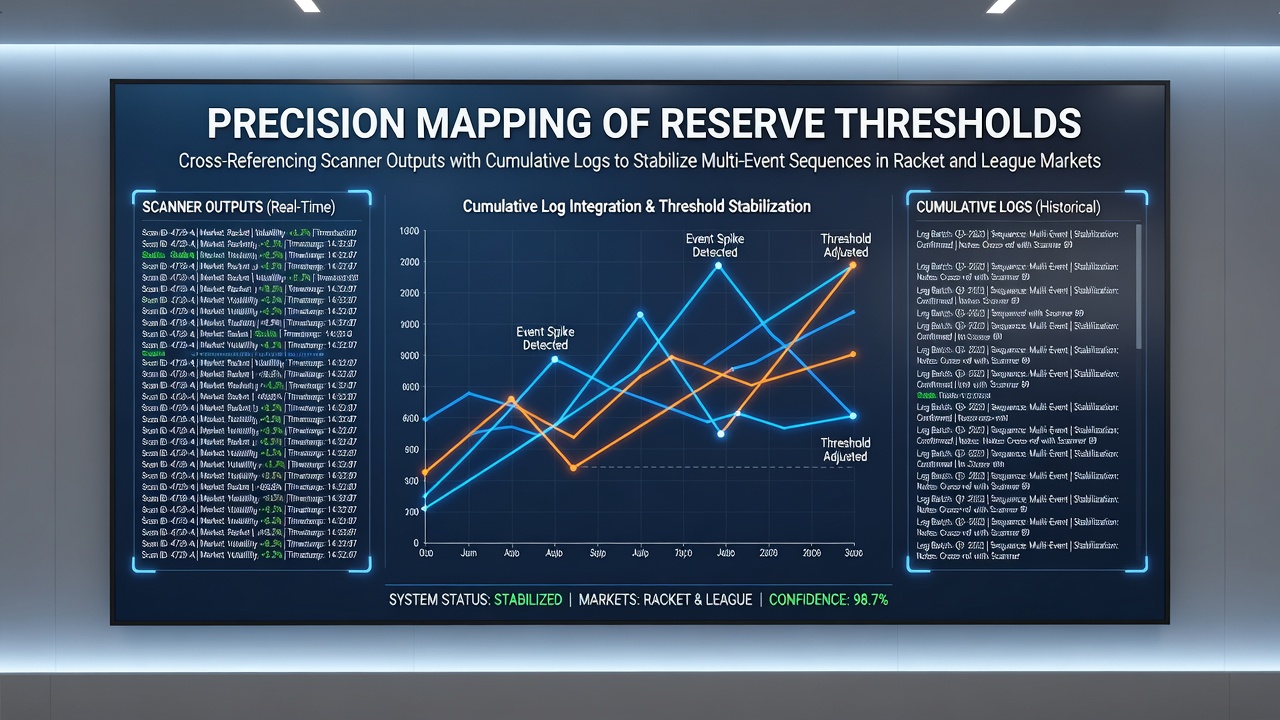
Precision mapping of reserve thresholds relies on systematic cross-referencing between scanner outputs and cumulative logs to stabilize multi-event sequences across racket and league markets, and this approach draws from established data integration practices used in professional betting operations worldwide.
Understanding Reserve Thresholds in Dynamic Markets
Reserve thresholds represent predefined boundaries that determine when betting positions adjust based on real-time market fluctuations, while racket sports such as tennis and league competitions like soccer present distinct volatility patterns that require tailored calibration methods. Data from industry reports indicate that operators in July 2026 continue to refine these thresholds as event volumes increase during peak summer schedules.
Analysts observe that thresholds function as guardrails against sequence drift, where small deviations in odds movement accumulate across multiple matches and alter expected outcomes. Cross-referencing scanner outputs with cumulative logs allows identification of these drifts before they destabilize entire portfolios.
Scanner Outputs and Their Role in Data Collection
Scanner systems capture live odds feeds, volume indicators, and liquidity metrics from various exchanges and bookmakers, generating structured datasets that reflect instantaneous market conditions. These outputs include timestamped entries for each price change along with associated stake volumes and participant counts.
Researchers note that effective scanners filter noise by applying weighted algorithms that prioritize high-impact events, such as service breaks in tennis or corner counts in soccer. Integration of these filtered outputs with historical records creates the foundation for threshold mapping.
Cumulative Logs as Historical Anchors
Cumulative logs compile sequential data from completed events, storing variables like final scores, margin outcomes, and realized returns alongside the original scanner readings. This archive enables pattern recognition across extended timeframes rather than isolated snapshots.
Figures from academic analyses show that logs spanning multiple seasons reveal recurring correlations between early-sequence indicators and later-stage adjustments in both racket and league formats. Such patterns inform the placement of reserve thresholds that accommodate typical progression rates.
Cross-Referencing Process for Sequence Stabilization
The cross-referencing workflow begins with alignment of scanner timestamps against log entries for identical events, followed by calculation of variance metrics that quantify divergence between predicted and observed movements. Discrepancies trigger recalibration routines that shift reserve thresholds to restore sequence balance.
One documented workflow involves layering tennis break-point data with soccer corner accumulation statistics within the same analytical framework, allowing operators to maintain consistent exposure levels across dissimilar sports. This layering occurs through normalized scoring models that convert sport-specific metrics into comparable units.
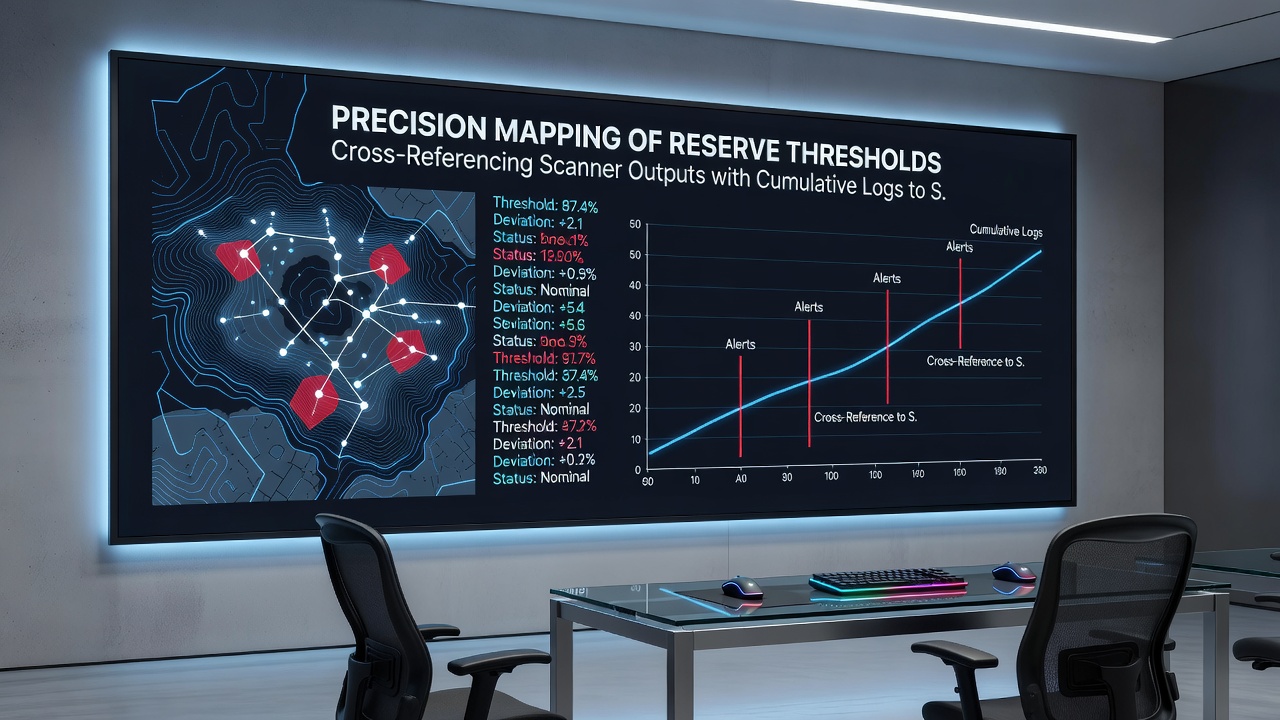
Implementation requires periodic audits where analysts compare live scanner streams against archived log segments to detect calibration drift. Adjustments made during these audits have been shown in operational case studies to reduce sequence variance by measurable percentages when applied consistently.
Application to Racket and League Markets
Racket markets feature rapid score transitions that scanners track through point-by-point updates, whereas league markets generate steadier data flows centered on possession and set-piece statistics. Precision mapping accommodates both by establishing sport-specific reserve bands that still permit cross-market hedging.
Observers report that July 2026 schedules, heavy with concurrent tournaments and league fixtures, have prompted wider adoption of unified log systems capable of handling simultaneous sequences. These systems maintain threshold integrity even when event overlap reaches peak levels.
External Validation and Supporting Research
According to findings published by the Victorian Responsible Gambling Foundation, integrated data approaches improve outcome predictability in multi-event environments. Similar conclusions appear in reports from the Alcohol and Gaming Commission of Ontario, which examined threshold calibration across varied betting formats.
These sources emphasize the importance of maintaining separate log repositories for each market type while enabling unified scanner queries. The resulting hybrid datasets support more accurate reserve placement without introducing cross-contamination between tennis and soccer metrics.
Conclusion
Precision mapping through scanner and log cross-referencing provides a structured mechanism for stabilizing multi-event sequences in racket and league markets, and ongoing refinements continue to shape its application as data volumes grow. The method relies on factual alignment of real-time outputs with historical records rather than speculative adjustments, delivering measurable consistency across operational scales.