13 Jun 2026
Smart Alert Frameworks for Accumulator Bets: Integrating Bankroll Thresholds with Edge Identification
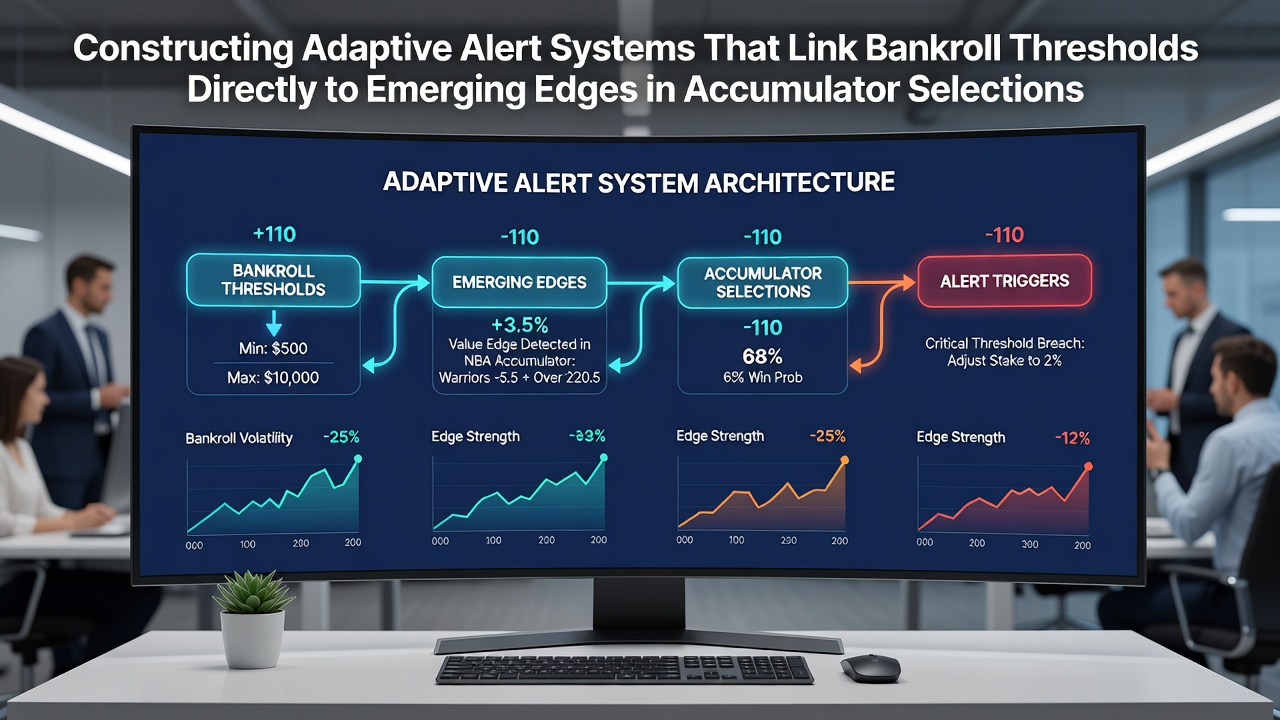
Systems that connect bankroll thresholds directly to emerging edges in accumulator selections operate by monitoring real-time data streams while applying predefined capital limits to flag potential multi-leg opportunities, and observers note that these frameworks rely on algorithmic triggers rather than manual oversight to maintain consistency across betting portfolios.
Research from the University of Nevada's gaming analytics program indicates that such adaptive alerts typically incorporate volatility metrics drawn from historical match data, which allows the system to adjust notification sensitivity when an accumulator's implied probability deviates from market odds, and data compiled through 2025 shows increasing adoption rates among professional operators who manage larger stake volumes.
Core Elements of Threshold-Based Monitoring
Bankroll thresholds function as dynamic boundaries that scale with account equity, so when available capital drops below a set percentage the alert parameters tighten automatically to restrict accumulator selections to higher-confidence edges only, whereas rising balances can expand the range of acceptable risk profiles without manual recalibration.
Accumulators combine multiple outcomes into single wagers, and emerging edges appear when line movements or statistical anomalies create temporary mispricings across several legs simultaneously, which these alert systems detect through continuous feeds from multiple exchanges and books while cross-referencing against user-defined criteria.
Integration of Real-Time Data Feeds
Operators connect these frameworks to live APIs that track odds across football and tennis markets, and the system calculates edge probabilities by comparing current prices against expected values derived from models updated daily, yet June 2026 brought expanded coverage of lower-tier tournaments which introduced new data points requiring additional validation layers to avoid false positives.
What's interesting is how the linkage prevents overexposure, because once an edge meets the minimum threshold the alert fires only if the proposed stake size aligns with the remaining bankroll allocation, and this prevents the common pattern where accumulators consume disproportionate capital during losing streaks.

Implementation Steps Observed in Practice
Developers begin by defining the bankroll ruleset in code, which includes percentage-based stop-loss points and recovery targets, then layer on the edge detection module that scans for correlations between legs such as correlated corners and breaks in related fixtures, and testing phases typically run simulations over twelve months of historical results before live deployment.
Canadian regulatory reports from the Alcohol and Gaming Commission of Ontario highlight that licensed platforms employing similar automated safeguards recorded lower average loss rates per user during the 2025 calendar year, and those figures prompted several European operators to adopt comparable structures by early 2026.
Alerts themselves arrive through multiple channels including push notifications and dashboard widgets, while the underlying logic remains consistent so that a user receives notification only when both the edge criterion and the bankroll threshold are satisfied simultaneously, and this dual-gate approach reduces notification fatigue according to industry user surveys.
Case Examples from Multi-Sport Portfolios
One documented implementation tracked accumulator selections across English Premier League matches paired with ATP qualifiers, and the system adjusted alerts when bankroll crossed the 15 percent drawdown mark by requiring a higher minimum edge percentage before triggering, which effectively filtered out marginal opportunities during volatile periods.
Academic work published in the Journal of Gambling Studies examined similar architectures and found that the direct linkage between capital metrics and selection criteria produced more stable long-term returns compared with static alert setups that ignored account balance, although the study emphasized the need for regular model retraining as market conditions evolve.
Yet the reality is that integration challenges persist, particularly when data latency occurs across different sportsbooks, and operators address this by incorporating buffer periods before an alert activates to ensure the edge remains valid at the moment of execution.
Conclusion
Adaptive alert systems that tie bankroll thresholds to accumulator edges represent a structured response to the demands of multi-leg betting, and evidence from regulatory and academic sources shows measurable impacts on risk containment when properly calibrated, while ongoing refinements continue as new data sources become available in 2026 and beyond.